|
|
|
LION DANCING
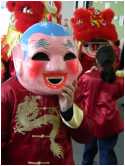
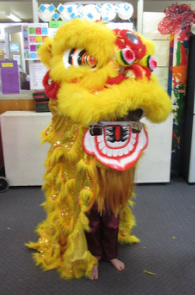
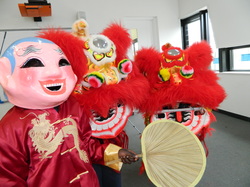
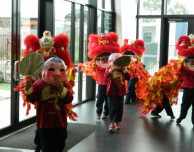
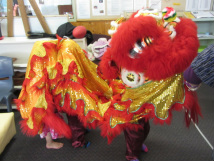
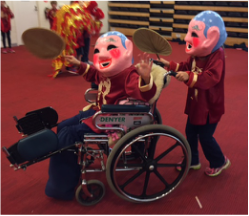
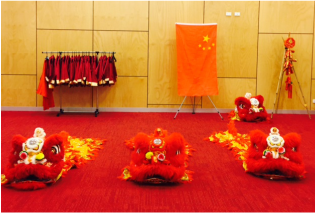
Lion Dancing is an ancient Chinese tradition performed during the Lunar New Year and other auspicious events in order to drive away evil spirits and bring happiness, prosperity, and good luck. Students will work in small groups, taking on the role of different participants of a lion dance. Students will experience being musicians by beating the drum and mastering the gong and the cymbals, being the laughing buddha who teases and leads the lion, being the lion’s tail and holding the prestigious position of the lion’s head. Incorporating kung fu moves, Chinese language skills and teamwork, this program will give students a deeper understanding of why the lion dance plays a vital role in the Chinese New Year celebrations. This will truly be a unique and unforgettable experience for all students!
|
|
Australian curriculum focus

Ausvels
|
The Arts
Foundation to Level 6 - Use of the body and/ or voice to communicate an imaginative and sensitive response to stimulus material History Level 3- Celebrations and commemorations in other places around the world; for example, Bastille Day in France, Independence Day in the USA, including those that are observed in Australia such as Chinese New Year, Christmas Day, Diwali, Easter, Hanukkah, the Moon Festival and Ramadan (ACHHK064) - The role that people of diverse backgrounds have played in the development and character of the local community (ACHHK062) - Pose a range of questions about the past (ACHHS067) Civics and Citizenship Level 2.5 - identification of similarities and differences among familiar groups; for example, in language, food and festivals Level 3.0 - Understanding of cultural aspects of the lives of people in familiar groups; for example, religion, language, customs, family Level 3.5 - Understanding of the ways in which people from various cultural groups have contributed to the nation Level 4.0 - Understanding of the contribution of people from the many culturally diverse groups that make up the Australian community. 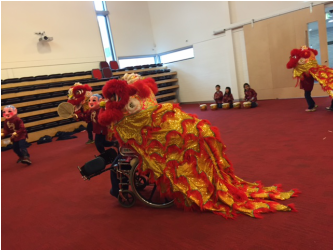
|